
Share and qualify the lot
The seller provides photos, weight, location, preparation, recurring availability, loading capability, and a price expectation. We decide whether the material fits the current buying program.
The seller provides photos, weight, location, preparation, recurring availability, loading capability, and a price expectation. We decide whether the material fits the current buying program.
Grade, composition, contamination, ownership, safety, packaging, and recovery assumptions are reviewed. If an onsite review is needed, the visit is scoped before anyone commits resources.
Commercial terms, weights, documents, loading responsibilities, transport, payment milestones, and acceptance criteria are written down. For the AC motor program, the intended first step is a pallet—not a blind container commitment.
The lot is prepared, weighed, photographed, loaded, and supported with the required commercial and shipping records. Container programs are coordinated through the appropriate freight, inspection, customs, and port partners.
Receipt condition, actual weights, composition, processing outcome, costs, and variances are compared with the agreement. The purpose is to understand the truth of the transaction, not protect a forecast.
When the pilot performs for both sides, frequency and volume can increase toward 20 MT containers and recurring supply supported by current processing capacity of approximately 100 MT per month.
Operating evidence
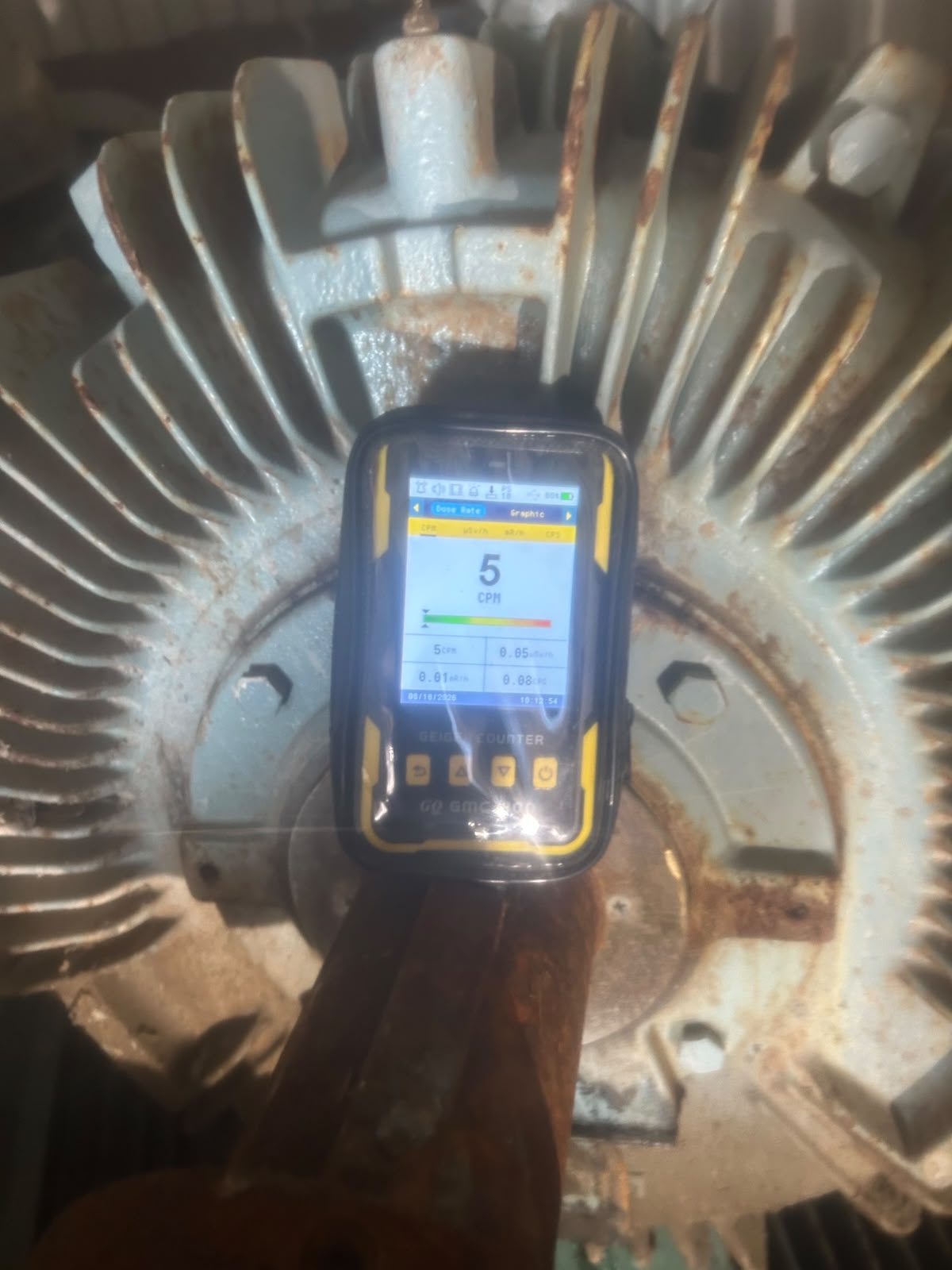
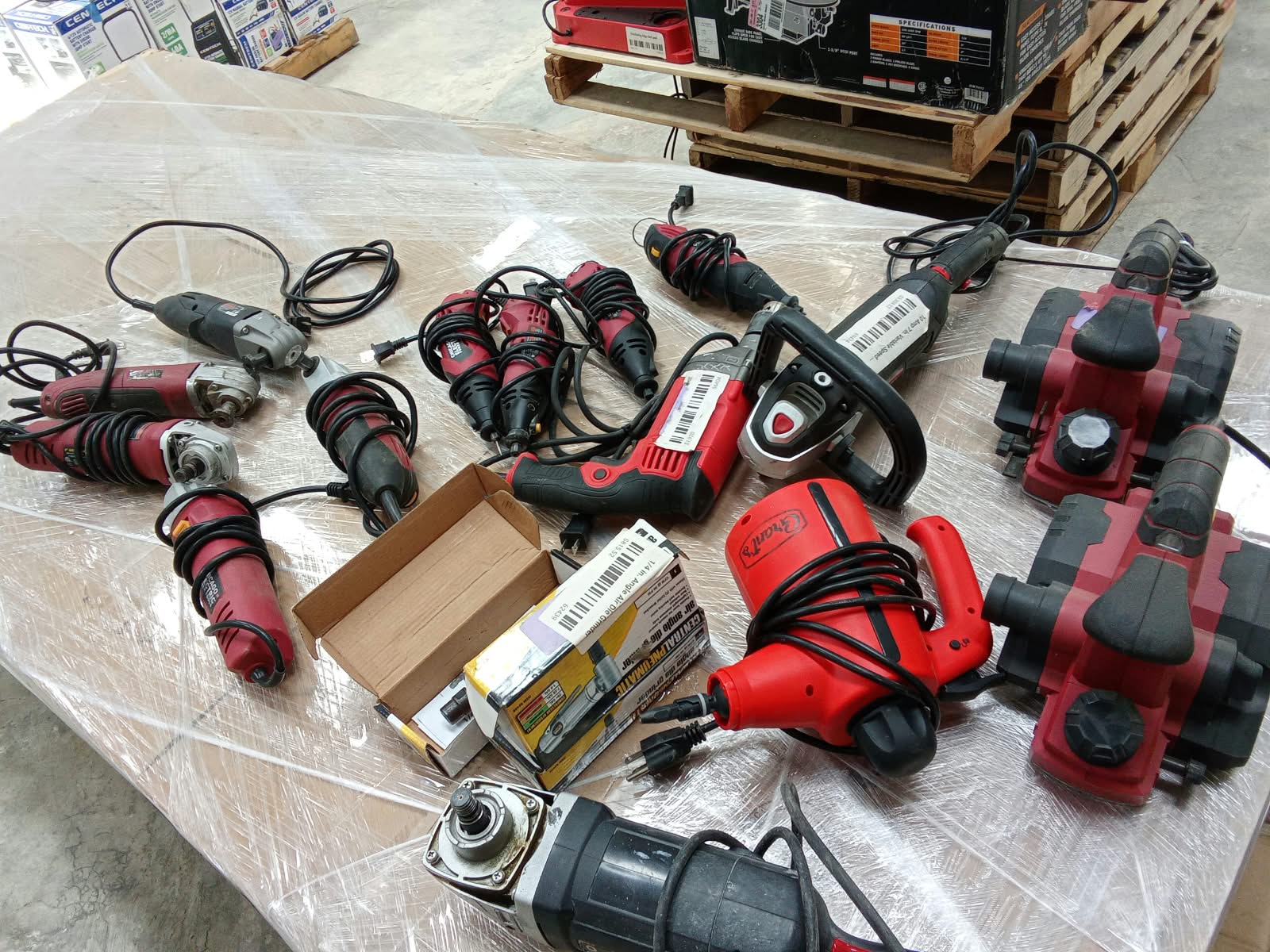
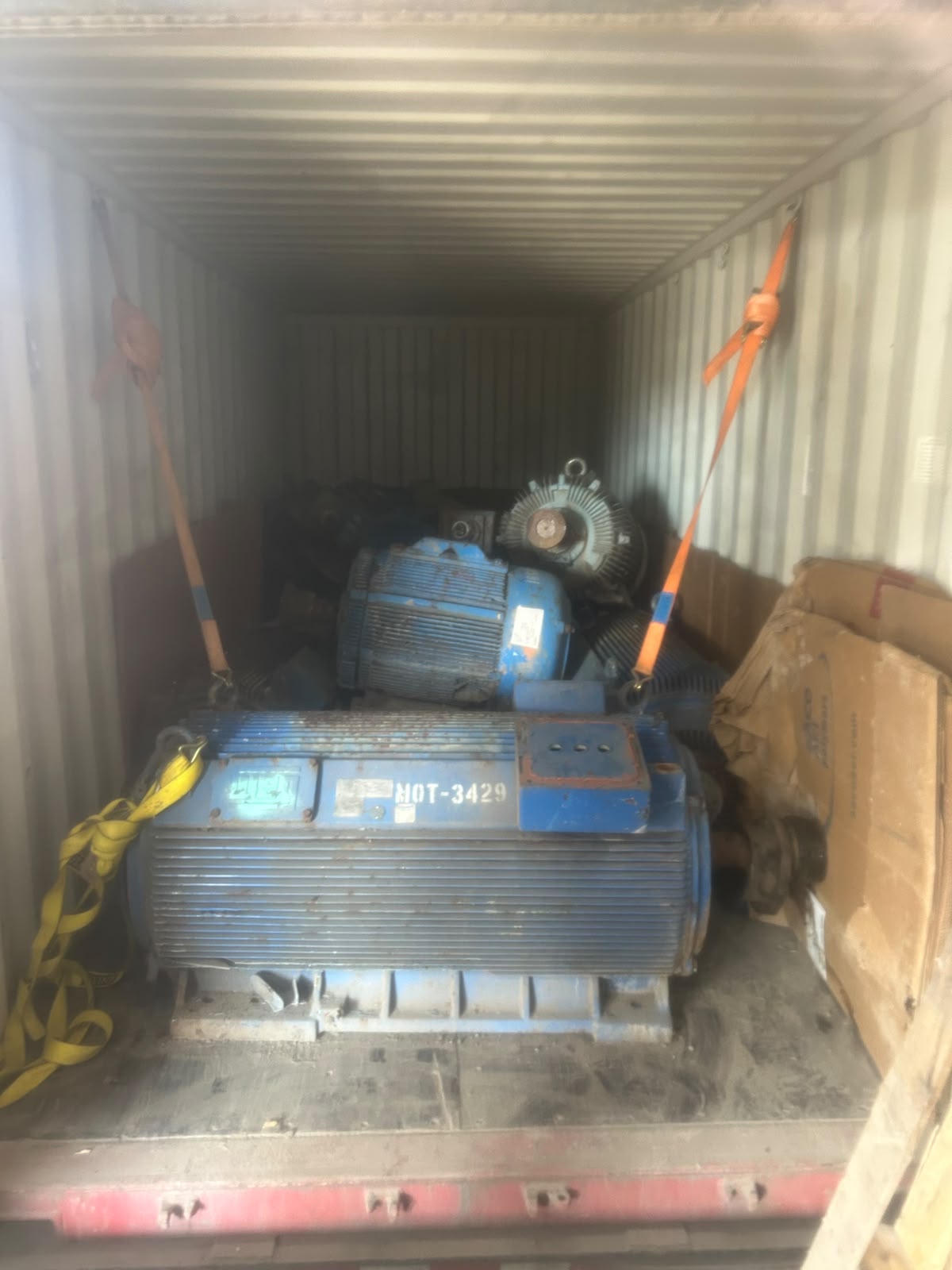
These images document screening, lot review, and staging. They are not presented as steps they do not show.
Counterparty confidence
Ready to begin?